

A Soft Guide to Better Sleep
Good sleep is all about the right conditions.
We’ve gathered our best tips to help you unwind, fall asleep more easily, and sleep better throughout the night.
1. Start your day with light
Light is the body’s natural alarm clock. When you greet daylight early, you help your internal rhythm find balance, making the evening calmer and falling asleep smoother.
A quiet walk. A coffee by the window. Let the day begin slowly.
2. Create a cool, dark oasis
Your bedroom should feel like a protected world. Dark, quiet, and cool. The optimal temperature for most people is around 16-19 degrees Celsius.
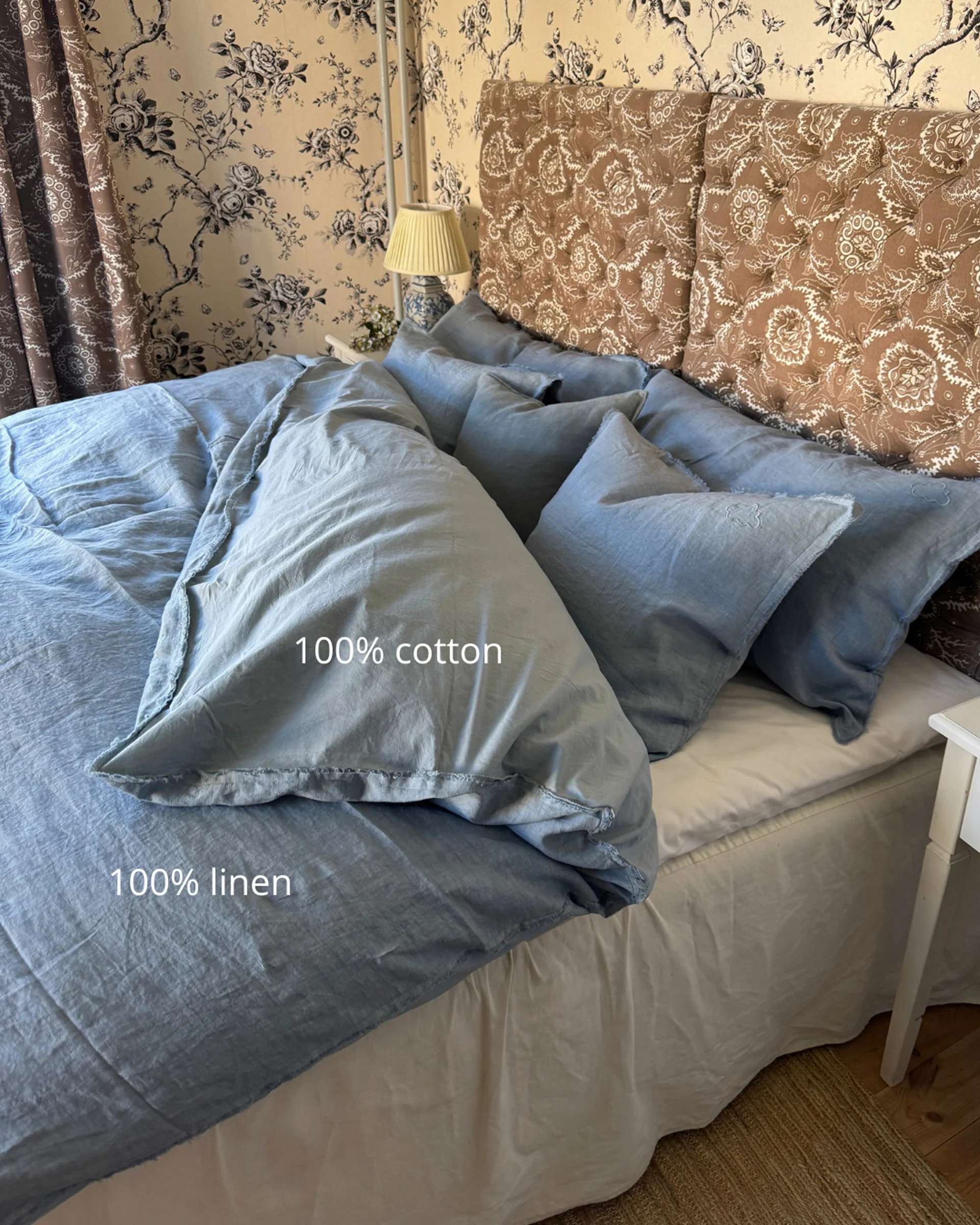
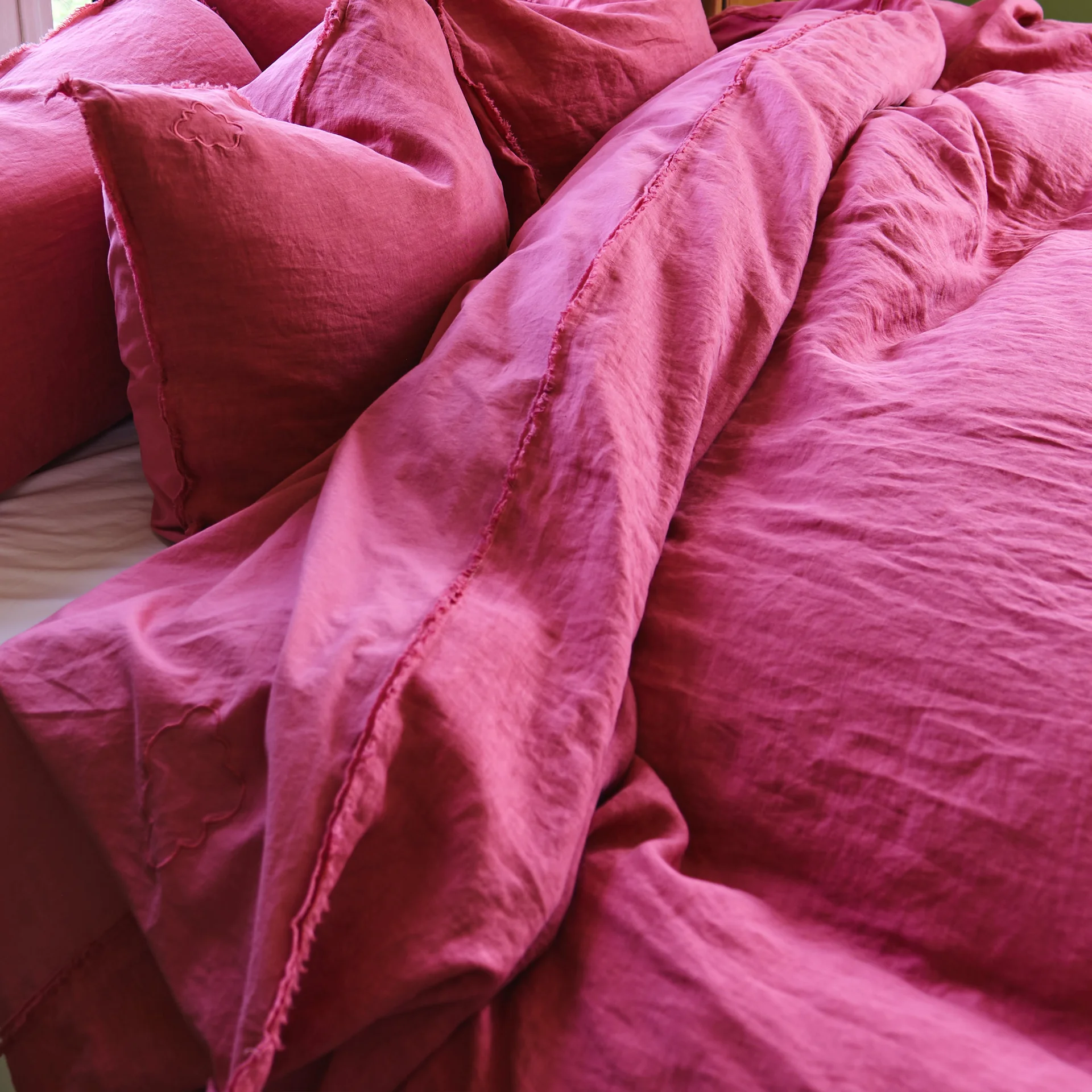
Our bed linens are crafted in two materials, one side in cooling linen and the other in warming cotton, so you can sleep at your preferred temperature year-round.




3. Avoid caffeine and heavy meals late in the evening
Caffeine can affect your sleep long after you’ve consumed it, sometimes up to 6 hours. Large or heavy meals late in the evening can also disrupt your ability to fall asleep. Try switching to herbal tea, lukewarm water, or a light evening snack.
4. Keep regular sleep times
Falling asleep becomes easier when your body knows what to expect. Regular sleep times create a sense of security in your nervous system. It doesn't need to be strict, just consistent. A gentle structure that supports your circadian rhythm.
5. Prioritize comfort
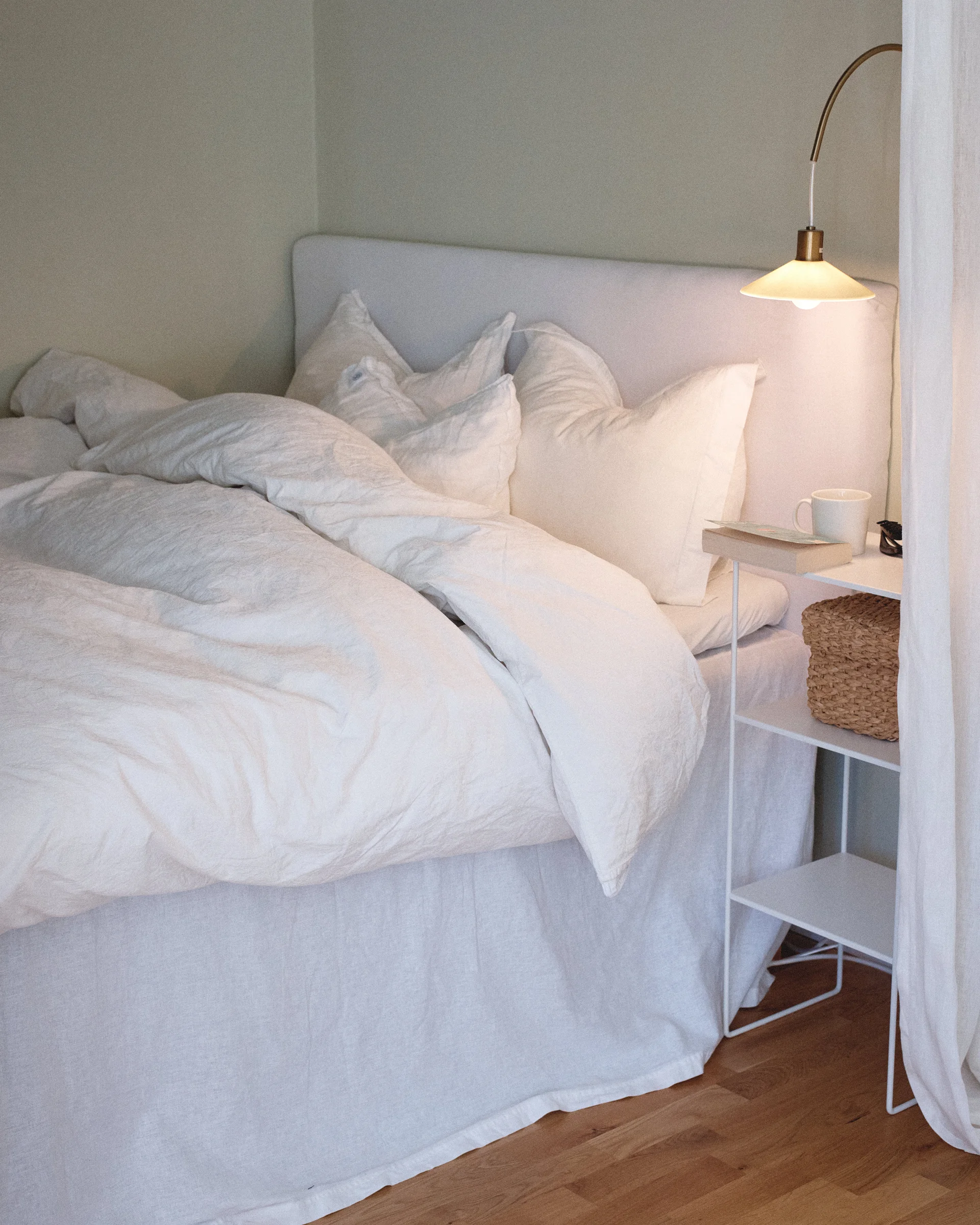
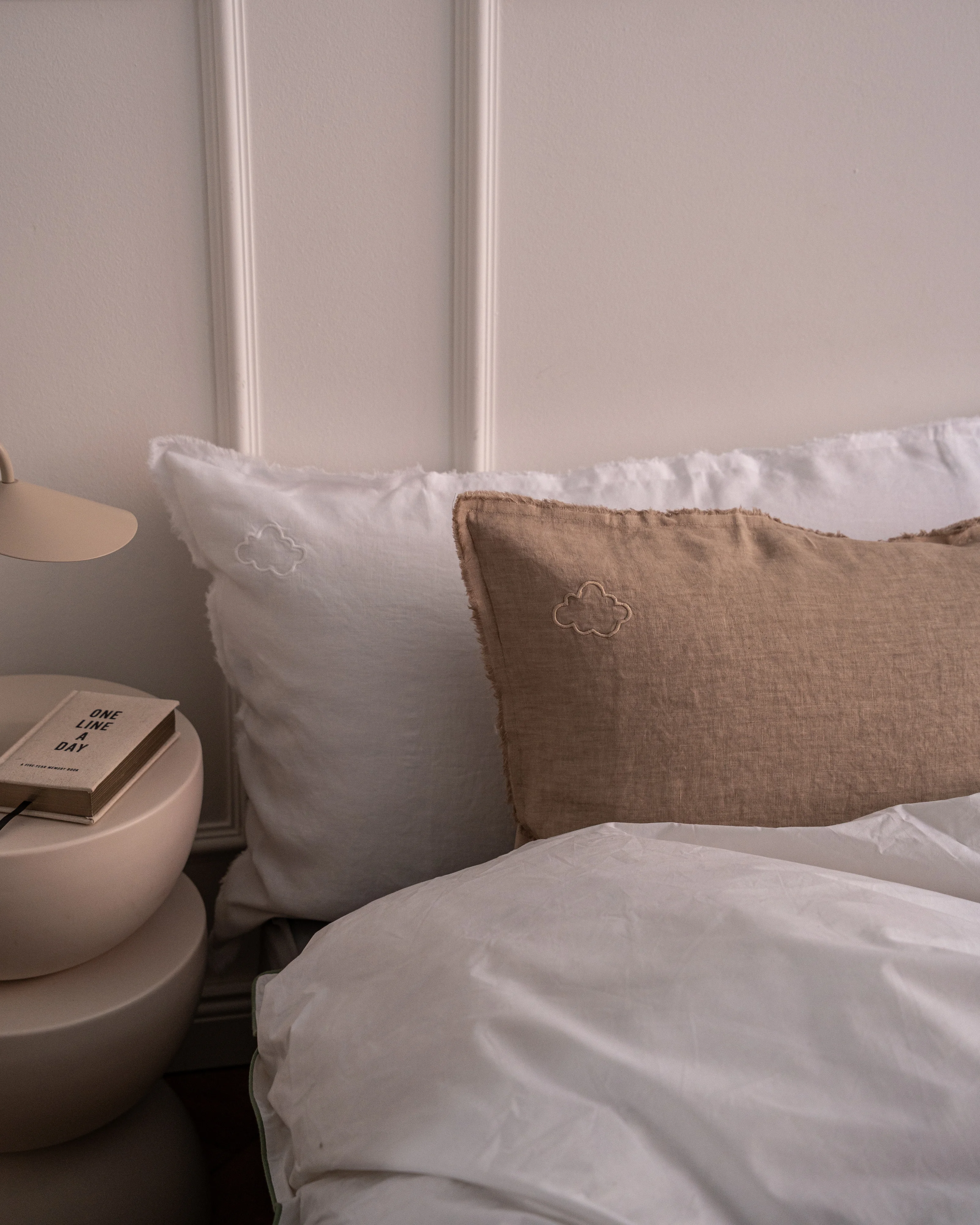
Sleep is the body’s most important recovery. Every detail should work with you, not against you. A duvet that embraces and provides a sense of security and stability. A pillow that supports and provides relief for your neck and shoulders. Fabrics that breathe and caress your skin.
The right comfort makes the difference between just sleeping and truly resting.

6. If sleep takes time - start over
If you’re awake for a long time, get up for a while. Do something calming in dim lighting. When you crawl back into bed, it should feel like a place for rest, not stress.
7. Let screens rest before you do
Blue light from phones and screens inhibits melatonin, the hormone that makes you sleepy. Give yourself an hour of screen-free time before bed. Turn on a lamp with warm light. Crawl under the covers. Read a few pages or listen to calming music.